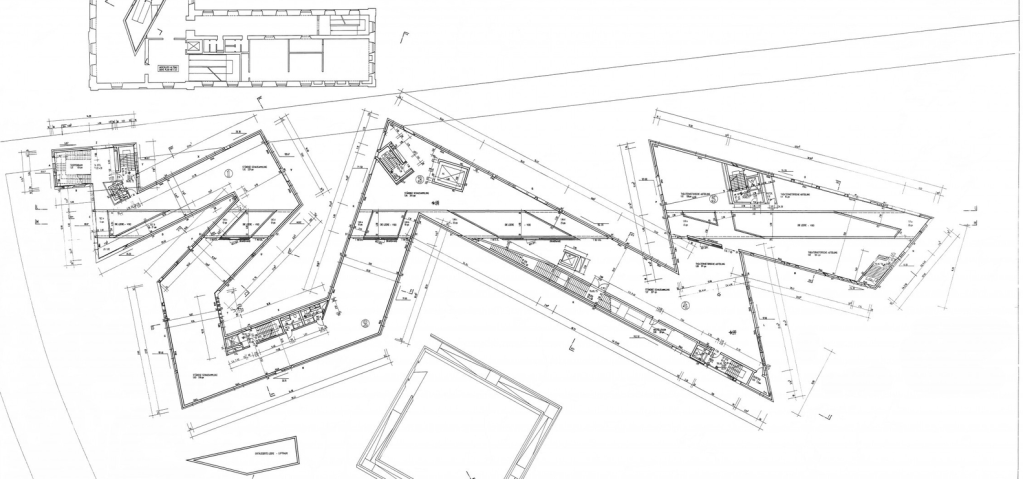
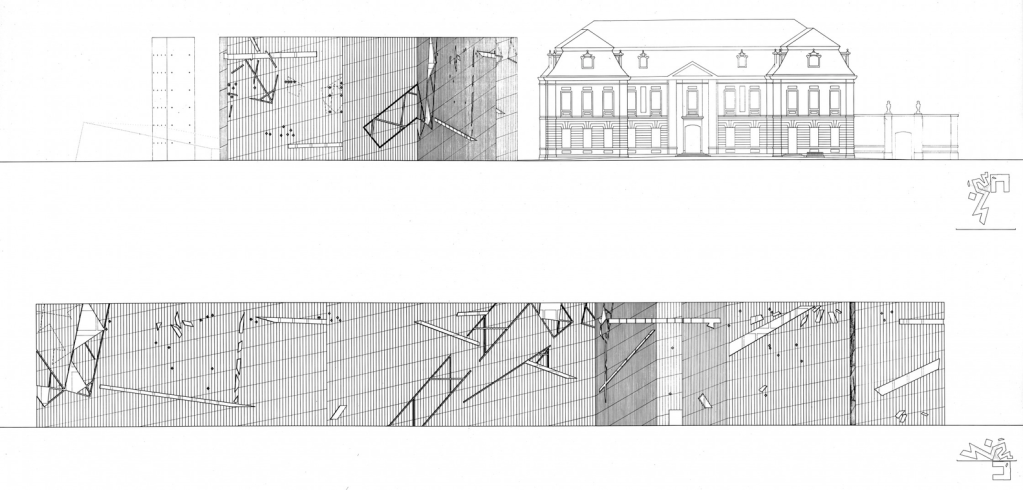
Libeskind, Jewish Museum, Berlin
Should the given be taken as a given and leave as it is, or if one shall find the given dissatisfactory, do something about it? Chinese folk wisdom speaks of 缘分(yuanfen), a fated happening, what shall happen, will happen, in time. Can idealism be seen as a romantic faith in what is fated to come? Yet with a dissatisfaction about the current given situation. Or can the noncritical, non-judgment, non-striving-for-change be seen as a total surrender to the fate, full acceptance to what is given? One is born into a world, before its anticipated arrival, possess a total indifference to its being. The birth marks a violent rupture, now the world (of the infant) must reckon with its’ demand in energy and ordering of chaos. The world is given a chance to rectify its flows, barricades, lumps of accumulated neglect. The given can be reiterated and reconfigured, depending on the force of rupture brought about as this infant crawls, howls, cries, shouts, bashes and dies.
Tradition: a devoted attitude to what is given, before one’s arrival to this world, along with one’s recognition of what is given as time goes by
Progression: a dissatisfaction with what is given, with a belief that a bettering can be brought about, the given is understood in a progressive manner, going from less to more
faith: a dissatisfaction with what is given, with a belief that after one’s departure, without access to knowing the situation, the given will be different
entanglement: a dog running after its own tail engagement with what is given
 Permenant and Pertinent Resi(st)dance